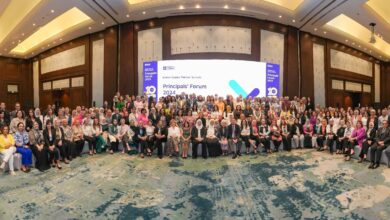



The British Council has launched two new research studies this week, presented at dedicated research events held on 1–2 February, focusing on strengthening education systems and expanding pathways to empowerment through skills and learning.
The first study, CPD Landscape Review, examines the continuing professional development (CPD) ecosystem in Egypt between 2018 and 2024, situating British Council programmes within wider national education reforms and international CPD frameworks.


The Current Landscape of Teacher Development
The research finds that CPD is firmly recognised at policy level as a central mechanism for improving teaching quality and workforce capability, particularly within large-scale reform agendas.
Teachers and education stakeholders consistently value CPD opportunities, reporting positive impacts on pedagogical practice, professional confidence, and motivation.
However, the study identifies persistent structural challenges that limit long-term impact. These include heavy workloads, large class sizes, uneven digital access, limited incentives, and weak links between CPD participation and career progression.
The research also highlights gaps in relevance and coherence, with teachers calling for more practical, classroom-focused training, sustained language development, differentiated pathways for different career stages, and stronger school leadership engagement.
Overall, the findings suggest that while CPD provision is well received, its effectiveness depends on system-level alignment, improved coordination, and more responsive programme design.

English Language as a Catalyst for Agency
The second study, English as a Tool of Empowerment, explores how access to English language learning contributes to empowerment among young people and marginalised communities, including women, girls, and refugees.
The research demonstrates that English plays a significant role in enabling educational mobility, employability, and participation in social, digital, and civic spaces.
Participants consistently described English as a gateway to higher education, scholarships, and better employment prospects, as well as a source of personal confidence and agency.
At the same time, the study finds that empowerment outcomes are uneven and shaped by deep structural inequalities.
Limited access to quality English teaching, exam-oriented and grammar-heavy instruction, socio-economic disparities, and gendered barriers restrict who is able to benefit from English learning.
The research shows that English is most empowering when taught through inclusive, learner-centred, and context-sensitive approaches that connect language learning with life skills, leadership, and real-world application.
Strategic Vision for Inclusive Growth
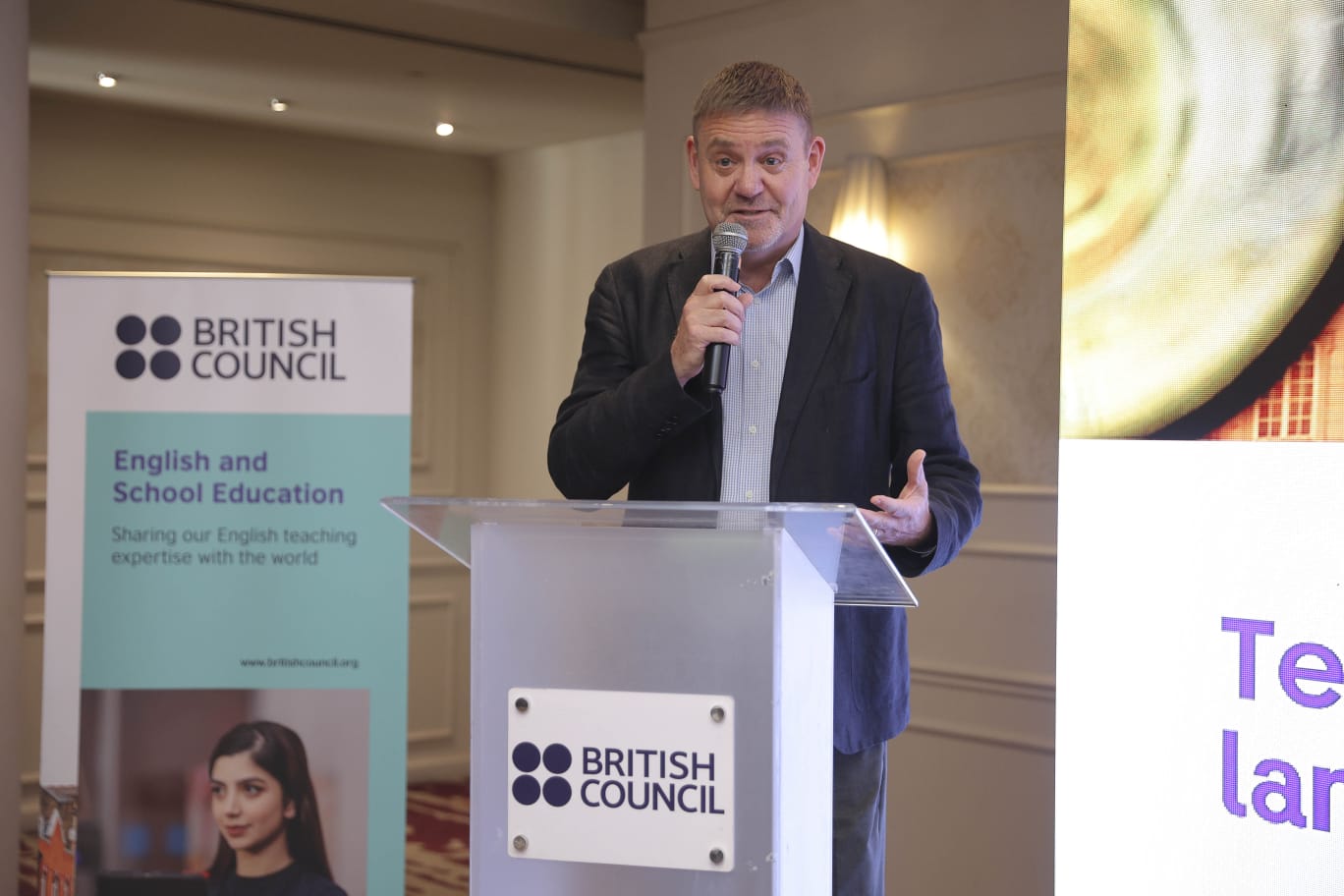
When these conditions are absent, English can reinforce exclusion rather than reduce it. Mark Howard, Country Director Egypt commented: “These two studies reinforce the importance of looking at education and skills development as part of a connected system rather than in isolation.
Continuing professional development is essential to building confident, capable teachers, while access to quality English learning can open pathways to opportunity, participation, and agency.
Together, the findings highlight the need for sustained investment, stronger system coordination, and more inclusive approaches to ensure that education genuinely supports empowerment and long-term development for all.”
Together, the two studies highlight the importance of viewing skills development and language education as integrated components of wider empowerment and development agendas.
They position CPD and English language education as strategic levers for inclusive growth, while emphasising the need for coherent policy frameworks, investment in teacher development, and equitable access to learning opportunities.
Collaborative Future for Educational Reform
The findings from both research studies are intended to support policymakers, education providers, employers, and development partners in designing systems that are more responsive, inclusive, and capable of supporting lifelong learning and empowerment.
For more information, please contact: Razan.Kaloti@britishcouncil.org
About the British Council
About the British Council: The British Council is the UK’s international organisation for cultural relations and educational opportunities.
We support peace and prosperity by building connections, understanding and trust between people in the UK and countries worldwide.
We do this through our work in arts and culture, education and the English language, We work with people in over 200 countries and territories and are on the ground in more than 100 countries, In 2022–23 we reached 600 million people. www.britishcouncil.org.
Read Also
British Council Deepens Egypt–UK Education Partnership Through MENA Study Tour 2026
British Council Celebrates Refugee Teachers’ Impact on Egypt’s Education System